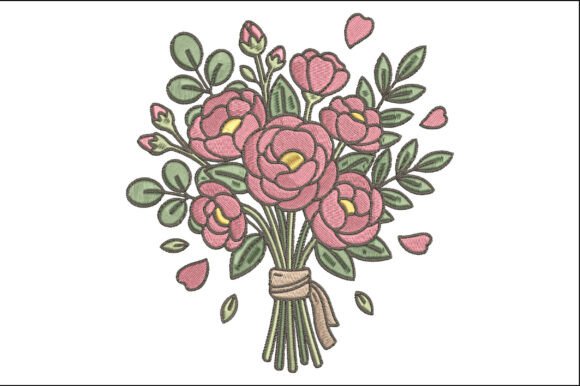
Floral Bouquet Embroidery Design Art Review
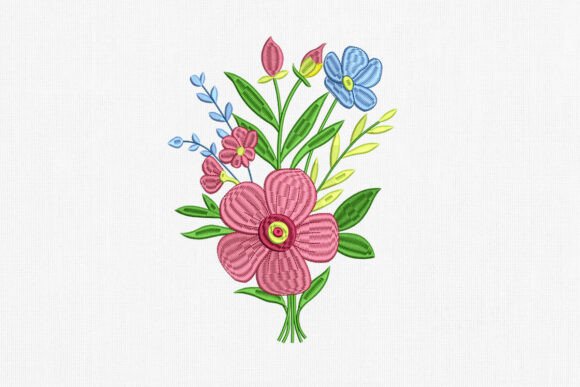
As a professional embroidery designer who has spent years translating digital files into tangible brand assets, I approach every new machine embroidery design with a critical eye. The market is flooded with decorative patterns, but for small business owners, boutique operators, and merch creators, the question is always the same: does this file work as a commercial asset? Today, I am reviewing the Floral Bouquet Embroidery Design Art. This piece promises an elegant floral arrangement featuring beautiful pink flowers, soft green leaves, and delicate details tied together with a rustic ribbon. On paper, it sounds perfect for home decor, but can it hold up as a serious branding tool for your small business merch?
First Impressions: Elegance Meets Rustic Charm
When I first opened the preview of the Floral Bouquet Embroidery Design Art, the visual personality was immediately clear. It strikes a balance between classic elegance and a slightly rustic, handmade aesthetic. The combination of soft pinks and greens suggests warmth and approachability, while the rustic ribbon adds a touch of texture that feels grounded. For brands in the florist, bakery, café, or handmade goods sectors, this design screams "artisanal quality." It does not feel overly corporate or sterile; instead, it invites customers to perceive the brand as personal and caring.
However, from a production standpoint, the "delicate details" mentioned in the description are a double-edged sword. While they add beauty, they also introduce complexity. In a high-volume commercial embroidery setting, intricate lines can sometimes get lost if the fabric texture is too heavy or if the stitch density is not perfectly calibrated. My initial assessment is that this design is best suited for businesses aiming for a premium, boutique feel rather than a bold, industrial logo.
Evaluating Business Applications: From Patches to Uniforms
The true test of any embroidery file is its versatility across different products. Let's break down how the Floral Bouquet Embroidery Design Art performs in real-world scenarios for your merchandise line.
Embroidered Patches and Brand Labels
This design is exceptionally well-suited for creating high-quality embroidered patches. The rounded nature of a bouquet allows for a circular or oval patch shape, which is often more forgiving on curved surfaces than square designs. Imagine these patches sewn onto the back of denim jackets for a fashion brand or attached to the corner of canvas tote bags for a local coffee shop. The rustic ribbon detail acts as a natural anchor point, making the patch look intentional rather than just a random decoration. For product labels on clothing or home goods, this Bouquets style adds immediate value, signaling to the customer that the item is part of a curated collection.
Staff Uniforms and Apron Embroidery
For staff uniforms, particularly aprons in bakeries or boutiques, this design offers a subtle way to build brand identity without overwhelming the wearer. Placing the Floral Bouquet Embroidery Design Art on the chest pocket or the upper left side of an apron creates a focal point that is friendly and welcoming. Unlike large, blocky logos, this design softens the uniform, making the staff appear more approachable. It works beautifully on light-colored fabrics where the pink and green thread colors can pop without requiring excessive underlay stitching.
Cap Embroidery and Tote Bag Designs
Using this file for cap embroidery requires careful consideration of size. The front panel of a cap is small, and the "delicate details" might blur if scaled down too much. However, as a side-panel accent or on the brim, it could be charming. Conversely, as a tote bag design, this file shines. The larger surface area of a tote allows the full complexity of the bouquet to be appreciated. A tote bag design featuring this art becomes a walking billboard for your brand, especially when paired with a sturdy stabilizer to ensure the stitches lie flat against the woven canvas.
Critical Considerations for Production Success
While the Floral Bouquet Embroidery Design Art is visually appealing, there are specific areas where caution is required to ensure a professional finished product.
Size Limitations and Detail Retention
Do not attempt to use this design at very small sizes. The delicate petals and leaf veins will likely merge into a solid blob if the design is reduced below 2 inches. If you are planning a tiny patch or a sleeve detail, you must test the file first. Check if the stitch density remains manageable when scaled. High density in small areas can cause puckering, especially on lightweight fabrics like silk or thin cotton used in apparel.
Fabric Texture and Color Contrast
The success of this design heavily depends on the fabric texture. On smooth, tightly woven fabrics, the details will stand out clearly. On textured materials like tweed, heavy denim, or knit polos, the fine lines may get lost in the weave. Additionally, consider your thread colors. The description highlights pink and green, but these must contrast sufficiently with your base material. Using light pink on a white shirt might lack visibility, whereas the same design on a navy blue uniform would look striking. Always review the color palette against your actual inventory before committing to a bulk run.
Stabilizer and Hooping Strategy
To achieve the crisp look required for branded merchandise, proper stabilization is non-negotiable. Because this design features a mix of fill stitches and satin edges (likely for the ribbon), you will need a cutaway stabilizer for knits and a tear-away or water-soluble option for wovens. Confirm the hoop size required by the file; if the bouquet is large, you may need to split the design or use a larger hoop, which impacts workflow efficiency in a busy shop.
Impact on Brand Identity and Customer Perception
In the competitive world of handmade brands and Etsy sellers, visual consistency is key. The Floral Bouquet Embroidery Design Art serves as more than just decoration; it is a signal of your brand's values. By using a design that feels organic and handcrafted, you align your custom apparel and merchandise with a narrative of care and attention to detail. This elevates the perceived value of your products. Customers are often willing to pay a premium for items that feature unique, high-quality embroidery because it distinguishes them from mass-produced screen-printed goods.
Furthermore, consistent use of this design across various touchpoints—product packaging accents, event merch, and customer gifts—builds recognition. When a client sees that same elegant bouquet on a receipt holder, a thank-you card mockup, and a staff apron, it reinforces trust and professionalism. It transforms a simple transaction into a cohesive brand experience.
Practical Designer Notes for Implementation
Before integrating the Floral Bouquet Embroidery Design Art into your production line, follow these steps to ensure success:
- Test in Black and White: Print the design in grayscale to check the contrast and spacing of the elements before spending money on thread.
- Verify Commercial Licensing: Ensure your purchase of this digital embroidery file includes a license for commercial embroidery and resale on finished goods. Never assume a personal license covers business use.
- Create a Printable Mockup: Use software to place the design on a photo of your actual product. This helps visualize the scale and placement before hooping.
- Inspect Spacing and Density: Zoom in on the file to ensure there is enough space between the ribbon and the flowers to prevent thread bunching.
- Compare with Other Assets: Place the bouquet next to your existing logo or text elements to see if the styles clash or complement each other.
- Test on Real Fabric: Always run a sample on the exact material you intend to sell. What looks good on a screen may behave differently on linen versus polyester.
Ultimately, the Floral Bouquet Embroidery Design Art is a versatile and charming addition to any small business portfolio. With the right application and technical preparation, it can elevate your handmade product line, turning standard merchandise into memorable brand statements. Whether you are decorating caps, designing aprons, or creating custom patches, this design offers the perfect blend of rustic charm and professional polish.