Peeled Corn on Cob Embroidery Design Review
As a professional embroidery designer who has spent years translating digital files into tangible brand assets, I approach every new machine embroidery design with a critical eye. The goal is never just to create something pretty; it is to create something that works for a business. Today, I am reviewing the Peeled Corn on Cob Embroidery design. This piece falls under the House category, but its potential extends far beyond kitchen decor. For small business owners, apparel decorators, and Etsy sellers looking to elevate their merchandise, understanding how this specific embroidery file performs in a commercial setting is essential.
First Impressions: Rustic Charm Meets Professional Detail
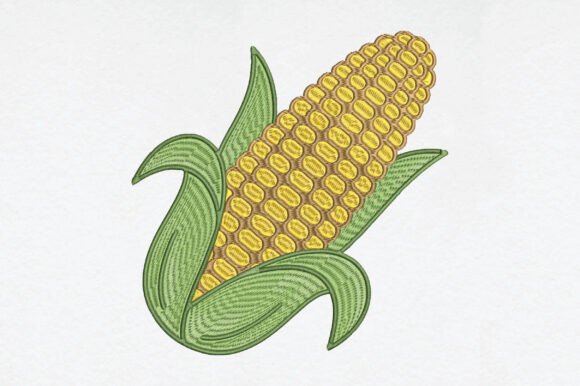
When I first loaded the Peeled Corn on Cob Embroidery into my digitizing software, the immediate impression was one of fresh, organic realism. The description promises a "fresh and realistic stitch pattern," and visually, the design delivers a texture that feels tactile even on screen. It strikes a balance between playful and premium. Unlike generic clip-art style corn, this design features detailed kernels and husk layers that suggest high-quality craftsmanship.
For a boutique bakery, a farm-to-table café, or a handmade goods brand, this aesthetic is powerful. It communicates an identity rooted in nature, freshness, and artisanal quality. However, as a designer, I must ask: does this level of detail translate well to production? The intricate shading required to make the corn look "peeled" and realistic means the stitch density will be higher than a simple outline logo. This requires careful consideration of the fabric and stabilizer choices to ensure the finished product looks crisp rather than matted down.
Evaluating Real-World Business Applications
The true test of any digital embroidery file is how it performs when applied to actual merchandise. Here is how I see Peeled Corn on Cob Embroidery functioning across various small business merch lines:
- Apron Embroidery: This is arguably the strongest use case. On a heavy cotton or canvas apron, the realistic texture of the corn stands out beautifully. It adds a thematic touch to staff uniforms in cafes or kitchens without being overwhelming. The size allows for placement on the chest pocket or the bib area, serving as a subtle yet effective brand marker.
- Embroidered Patches: Creating custom patches from this design is a fantastic way to add value to tote bags or denim jackets. Because the design is self-contained and detailed, it makes for a high-end patch. Businesses can sew these onto work shirts or offer them as collectible items for customer loyalty programs.
- Tote Bag Design: For eco-friendly brands or farmers' markets, placing this design on a canvas tote bag creates an instant connection to local produce and sustainability. The natural colors of corn—yellows, greens, and whites—pop against neutral fabric backgrounds.
- Cap Embroidery: While possible, this requires scaling down. A smaller version could work as a side accent on a baseball cap, perhaps near the ear hole, adding a unique detail that differentiates a brand from competitors using standard front-center logos.
- Product Packaging Accents: For businesses selling food-related goods, a small embroidered tag attached to a jar of preserves or a box of baked goods elevates the perceived value of the item significantly.
Critical Considerations for Production Success
While the Peeled Corn on Cob Embroidery is visually stunning, there are specific scenarios where it must be used carefully. As a designer, I advise clients to avoid certain pitfalls to maintain professionalism.
Size and Stitch Density Challenges
The realistic details in this design rely on fine stitches. If you attempt to shrink this design too much for a tiny logo on a pen or a small button, the detail will vanish, and the threads may bunch up. Always check the minimum recommended size before committing to production. High stitch density areas, particularly in the darker green husks, need adequate space to breathe. If the design is too tight, it can cause puckering on thinner fabrics.
Fabric Texture and Color Contrast
This design shines best on medium-weight fabrics like twill, canvas, or denim. Using it on highly textured fabrics, such as thick wool or loosely woven linen, might obscure the fine details of the corn kernels. Additionally, consider your thread colors. To achieve the "fresh" look described, you need good contrast. Placing a light yellow corn design on a white shirt might lack impact unless you use a backing layer of contrasting color or a very dark outline. Dark uniforms require bright, saturated thread shades to make the design pop.
Curved Surfaces and Hoop Size
If you plan to use this for cap embroidery or on curved sleeves, you must verify the hoop size compatibility. Complex designs with varying densities can distort slightly on curved surfaces if not properly stabilized. Always test the design on a scrap piece of the actual fabric you intend to use. Use a proper stabilizer—likely a cut-away type for stretchy materials—to ensure the design lays flat and durable after repeated washing.
Impact on Brand Identity and Customer Trust
In the competitive world of handmade products and custom apparel, visual consistency is key. The Peeled Corn on Cob Embroidery offers a unique opportunity to reinforce a brand's narrative. For a business focused on organic, local, or home-style values, this design acts as a visual shorthand for those qualities. It signals to the customer that the brand pays attention to detail and values authenticity.
When a customer sees a high-quality finished product with a well-executed design, their trust in the brand increases. They perceive the merchandise as more valuable. Conversely, a poorly executed design with loose threads or distorted shapes can damage reputation. By treating this embroidery file as a core part of your brand identity, you ensure that every apron, patch, or tote bag serves as a walking advertisement for your commitment to quality.
Practical Designer Notes for Implementation
Before integrating Peeled Corn on Cob Embroidery into your product line, follow these steps to ensure a smooth workflow:
- Test in Black and White: Before buying thread, run a test in a single color to check the flow of the design and ensure no gaps appear in the stitching path.
- Verify Licensing: Confirm that the commercial embroidery license covers your intended use, whether it is for resale items, client projects, or internal branding.
- Create a Printable Mockup: Generate a high-resolution mockup to show clients or stakeholders how the design will look on the final garment. This helps manage expectations regarding scale and color.
- Inspect Spacing: Ensure there is enough room around the design for other elements like text or secondary logos. Crowded designs often look unprofessional.
- Compare Assets: Place this design next to your existing design assets to ensure the style and complexity match your overall brand aesthetic.
Ultimately, the Peeled Corn on Cob Embroidery is a versatile asset for the savvy small business owner. It bridges the gap between decorative art and functional branding. Whether you are outfitting your staff with custom apparel, creating unique handmade product labels, or designing event merchandise, this design offers a fresh, realistic touch that resonates with customers. Just remember to respect the technical requirements of the stitch count and fabric choice to get the most out of this beautiful piece.